

RISE Training
Rural Issues
Rural consumers are not really all that different in their needs and wishes from urban consumers. However, programs for personal assistance services are often not designed with rural places in mind. Because of that, it can take extra work to get your needs met.
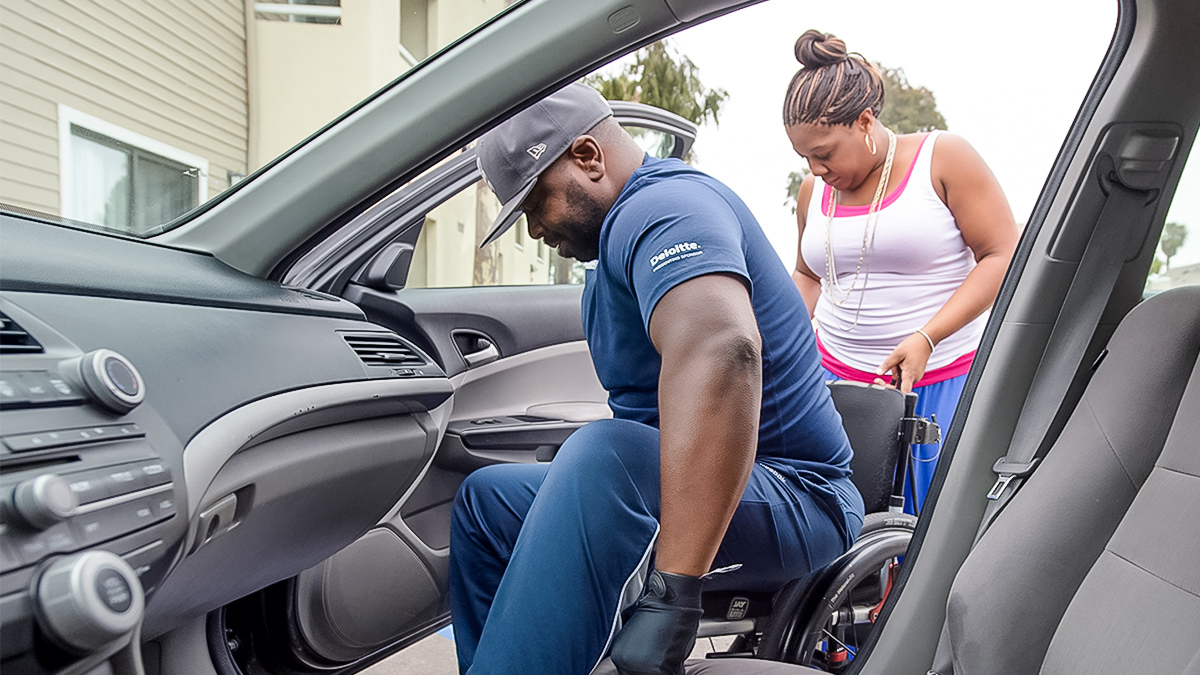

Rural Living
Living in a rural place has upsides and downsides.
- On the upside, rural communities can be quiet and friendly places where people know one another
- On the downside, it may be harder to find workers, access healthcare, and get from place to place in rural areas
Content Areas

Rural Values
Rural places are unique. Still, people who live in rural places tend to share some of the same values. A slower pace of life is one of those values. Rural people also tend to value being independent.
Content Areas
Rural Issues Evaluation
If you are helping evaluate this training, please take this short survey after completing this section’s content.
Important: Before taking this survey, make sure you have completed the:
If the survey is not showing above, please take the Rural Issues Survey in a new tab. Return to this page when you are finished and move to the next section.